When you’re getting your own skincare business started, marketing advice can make the to-do list grow very quickly. Post Reels, build a website, get on Google, meet local businesses. It’s hard to know what deserves your attention first when you’re also preparing to welcome clients.
We’ll put those tasks into a manageable order: explain your first appointment, make booking straightforward and help nearby people find you. Then we’ll build a small content routine around the questions they’re likely to ask.
What should a new solo esthetician prepare first?

What is it? Who is it for? How do I book?
Start by helping someone understand the appointment they could actually book with you. Those basics give the rest of your marketing somewhere useful to lead.
Choose one service to introduce. Write down its name, duration, price and what happens during the appointment, including any required consultation. Our facial description guide will help you turn those details into wording a new client can follow.
Then try the booking route on your own phone. Go from Instagram to the available times and check that the service name and price match. If you haven’t opened bookings yet, explain that and offer a real way to ask about your opening plans.
How can nearby clients find your skincare business?
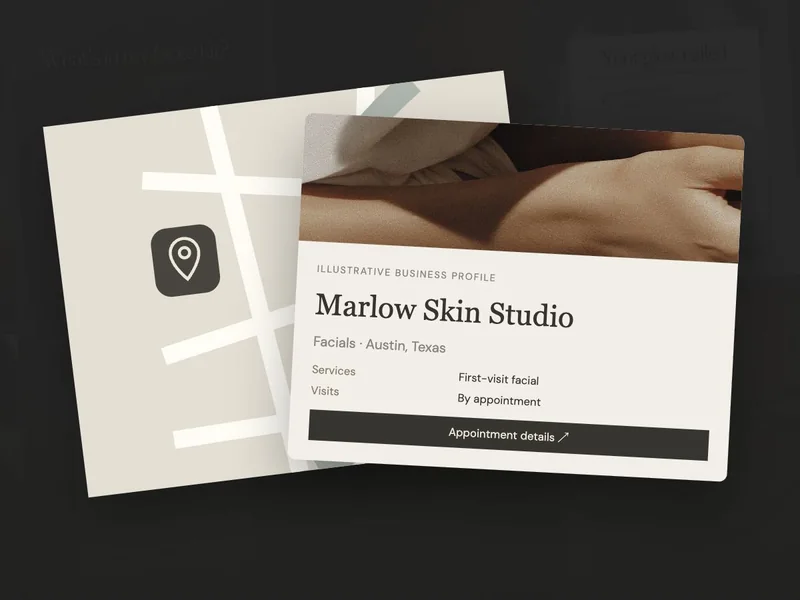
- Make your Instagram profile useful. State your services, location and next step. Use our esthetician profile checklist.
- Check Google Business Profile eligibility. If your business qualifies, add accurate details and your booking route. Follow the Google profile walkthrough.
- Build real local connections. Introduce your business to relevant nearby people and complementary businesses. Explain who you help and learn what their customers ask about. Agree any referral or collaboration arrangement openly.
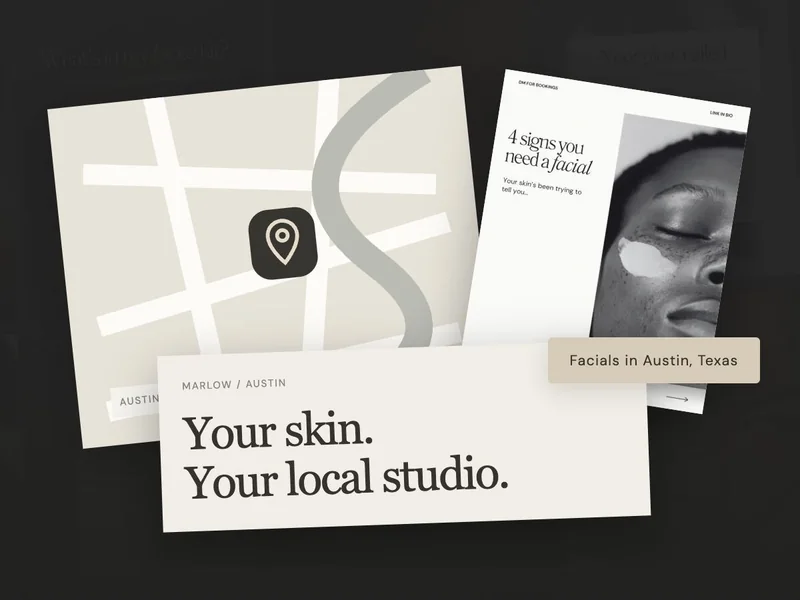
Google’s local-search guidance identifies relevance, distance and prominence as factors. Give people consistent details wherever they find you: your business name, location, services and how to book.
You can begin with people you have a reason to speak to. Introduce yourself, explain your work and find out whether there’s a useful connection. You don’t need to turn this into a list of strangers to cold-message.
What should a new esthetician post first?
Introduce the visit
Use your face or your treatment room to introduce the business. Help someone picture what their first appointment would be like.
Answer a real question
Think of something a potential client has asked you, such as which appointment to choose or what the visit includes. Start by answering that.
Make booking clear
Tell the reader the name of the service and where they can see its details and available times. Check that the link takes them there.
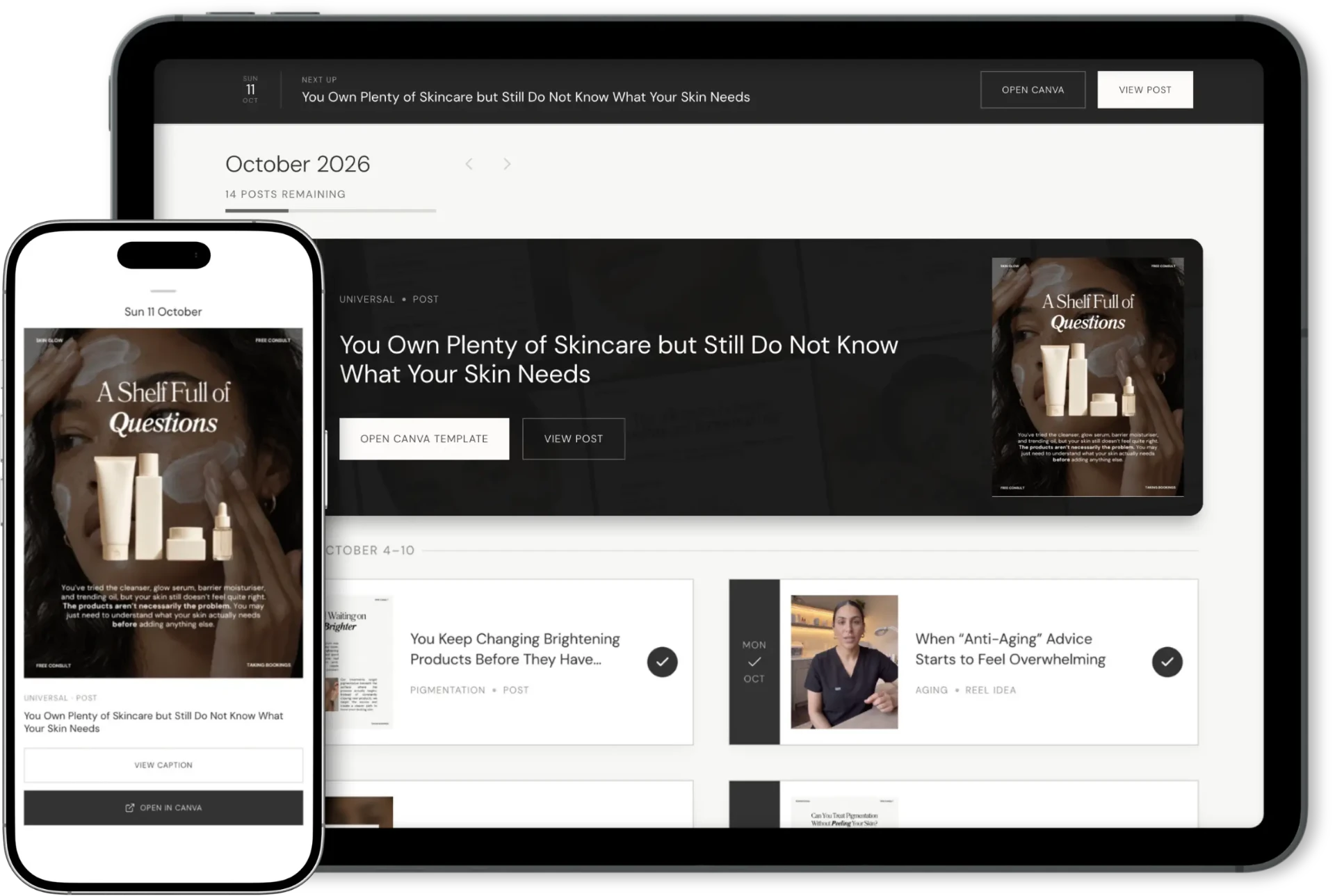
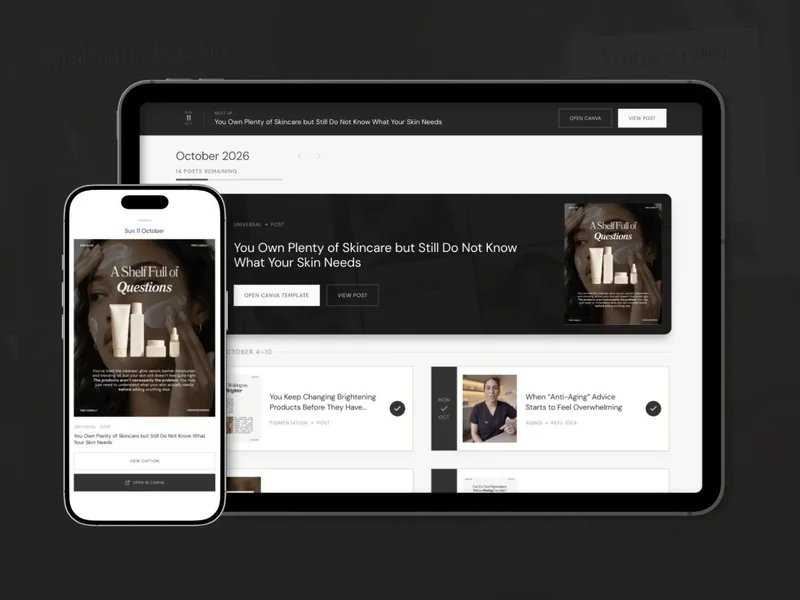
These are three jobs your content can do, rather than a posting quota. Mix your own studio photos and clips with useful explanations. If you’d like help organising them, use our monthly skincare content guide. And if speaking to camera feels like another hurdle, our Reels guide has ways to start without it.
What could your first month of marketing look like?
Make booking clear
Write one complete service description, then follow the booking link on your phone to check it works.
Make your business findable
Bring your profile details up to date, check Google eligibility and start a relevant local conversation.
Share useful posts
Make a studio introduction, answer one client question and explain how to book. Use your actual services and details.
Review the response
Look back at the questions people asked and follow what happened to enquiries, bookings and attended appointments.
Move these tasks around your opening date and the time you have. If the booking route still needs attention, finishing it is a useful next task before taking on another channel.
When you reach the review point, our booking-tracking guide can help you see what happened. Pick one thing to improve, such as a confusing service name or a missing price. You don’t have to solve all your marketing at once. Start with a routine you can manage, listen to the questions that come back and use them to decide what to do next.