Sometimes the hardest part of a post is its first sentence. You know what you want to explain, but every opening sounds either too plain or like something you’d never say to a client.
That opening is your hook. We’ll work through six skincare examples and make each one more specific, so you can start a post in a way that sounds natural and tells the reader why it’s relevant.
What makes a good skincare Instagram hook?
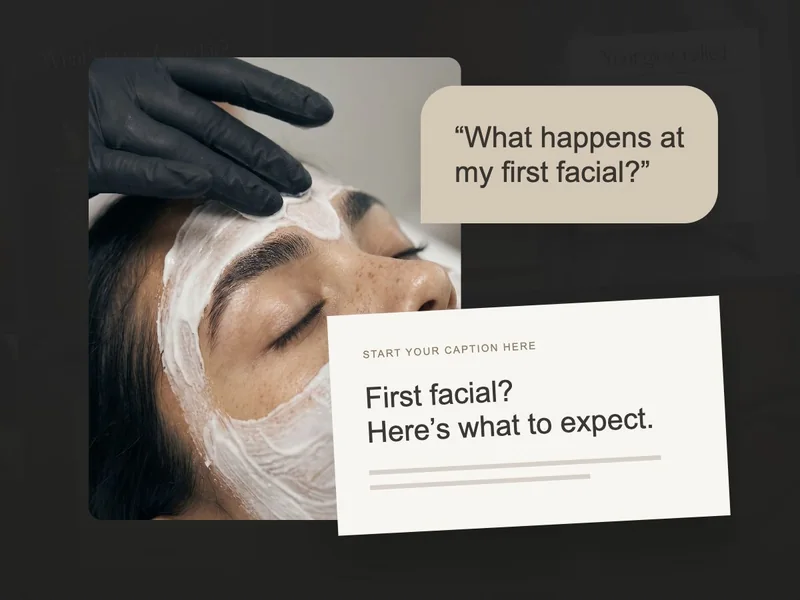
Think about how you’d begin the conversation in person. “First facial?” gives someone an immediate clue that the post is for them. A line like “You need to see this” asks for attention before explaining the subject.
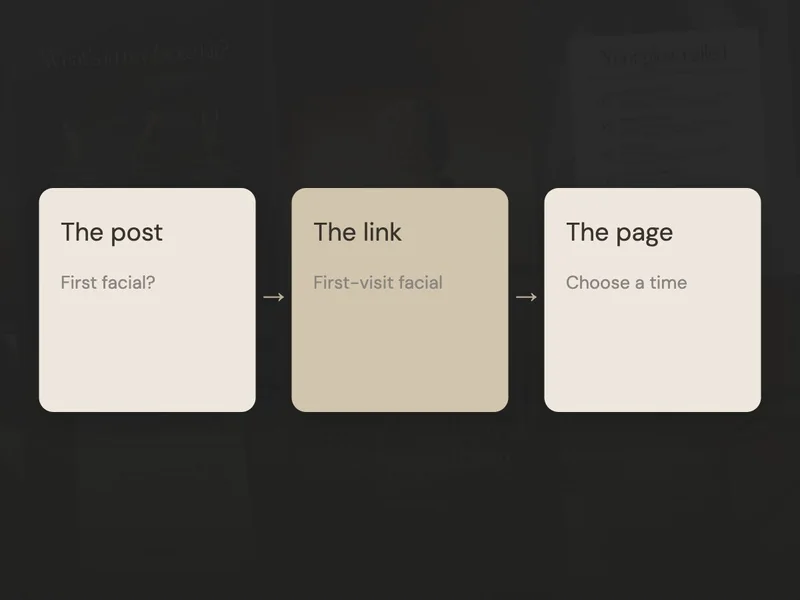
Then check that the rest of the post answers the opening. If you promise to explain two facial options, walk the reader through those options. They should get the help they decided to keep reading for.
Six skincare hooks made clearer
Let’s take six vague openings and turn them into something a potential client can recognise. Choose one that fits something you can explain accurately, then change the wording to sound like you.
You won’t believe this!
First facial? Here’s what happens before we begin.
Why it is clearer: a first-time client can recognise themselves and knows which part of the visit you’ll explain.
What comes next: show how the opening conversation works in your studio, using your own appointment process.
Your skin needs this.
Not sure which facial to choose? Start with these two questions.
Why it is clearer: you’re offering help with a choice the reader is already making, without assuming they need a particular treatment.
What comes next: help them think about what they want support with and what they need to know before booking.
Stop scrolling!
A shelf full of skincare, but no clear routine?
Why it is clearer: someone looking at a confusing collection of products can recognise the situation straight away.
What comes next: explain how they can discuss their routine with you during a consultation.
This will change your life.
What does “custom facial” mean at our studio?
Why it is clearer: “custom” may mean something different to each reader. You’re giving them a useful question you can answer from your actual service.
What comes next: describe what you ask before an appointment and how that helps you decide what to do.
The secret to perfect skin.
Your skin doesn’t have to look filtered.
Why it is clearer: it makes space for a conversation about realistic expectations, without promising flawless skin.
What comes next: explain texture honestly and use an example where it hasn’t been retouched away.
You’re doing it all wrong.
Have a question about your facial? You can ask before you book.
Why it is clearer: the reader is welcome to be unsure. You’ve given them a way to find out more before deciding.
What comes next: tell them how to contact you and which booking questions you can help with.
Where does the hook go on a post, Reel or carousel?
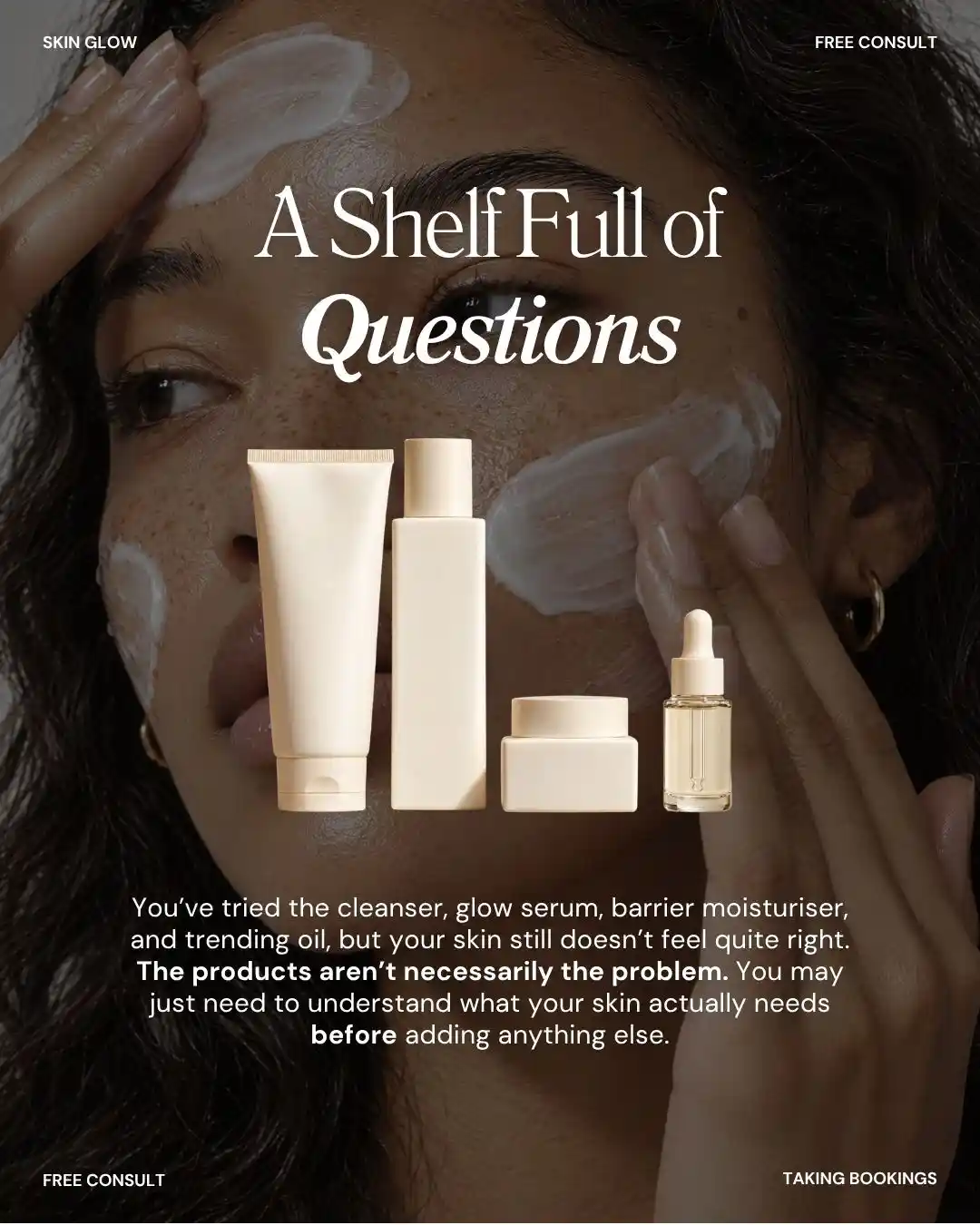
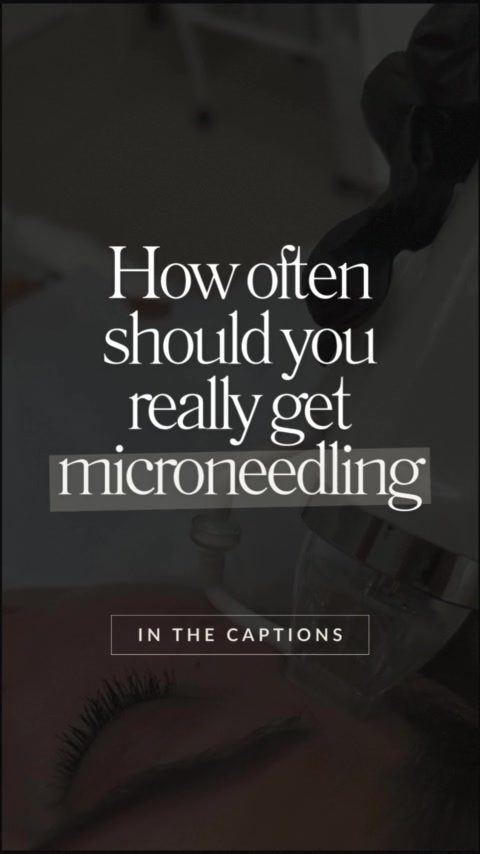
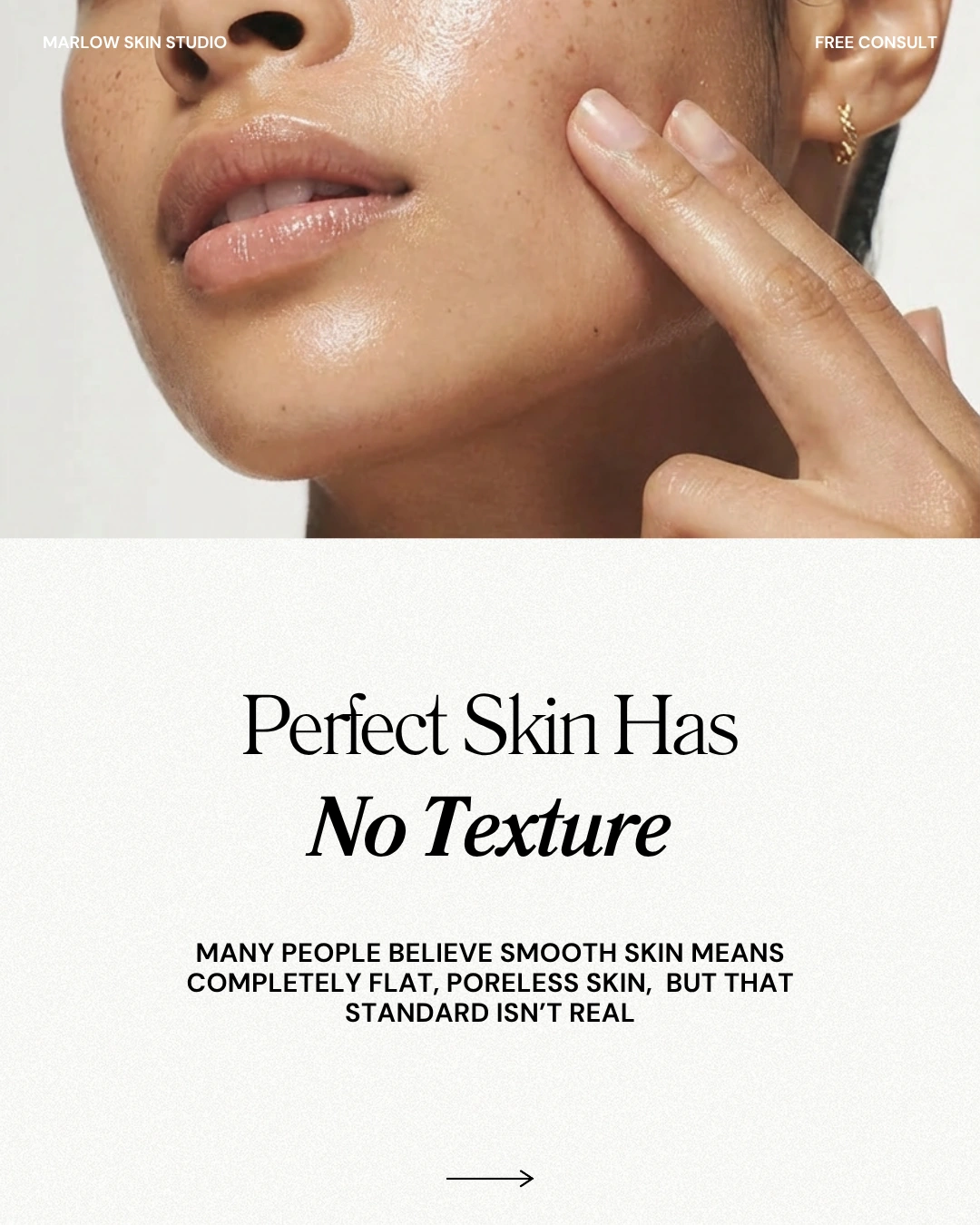
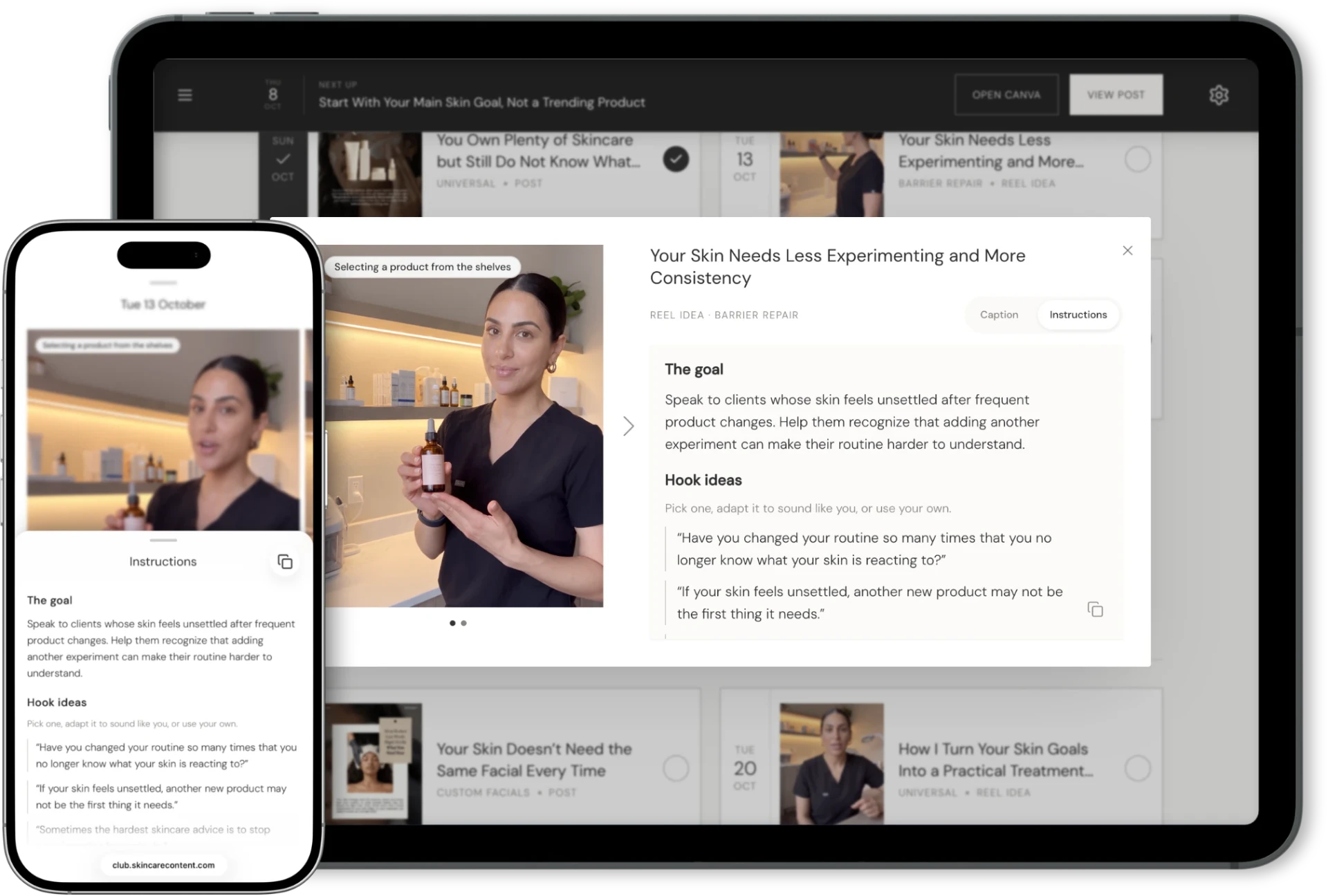
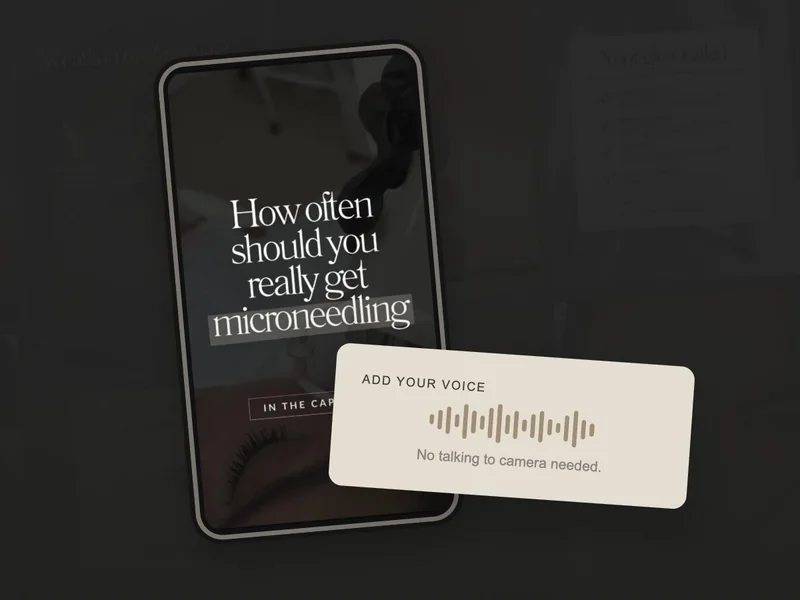
You can see how each opening gives the rest of the post a direction. The skincare shelf design needs an explanation about routines. The Reel needs a careful answer about appointment timing. The carousel has room to discuss realistic skin expectations.
Keep the visual and caption opening on the same subject. Someone should be able to move from one to the other without wondering whether they’re reading a different explanation.
How do you write a hook for your next skincare post?
- Choose the answer first. What one thing will this post explain?
- Name the client’s situation. A first visit, a confusing menu or a question about their routine.
- Write one clear opening. “Not sure which facial to choose?” is enough.
- Check the promise. Does the rest of your post actually help them choose?
Read your opening aloud. If it feels awkward to say, try the words you’d use with a client. You can keep your personality in the line while making the subject clear and the promise realistic.
When the opening feels right, our hook, explanation and CTA guide can help with the rest. For a spoken version, use the skincare Reel script examples to carry the same thought through the video.
Start with the answer you want to share, then write an opening that leads into it. That gives you something more useful to work with than trying to find an impressive line on its own.