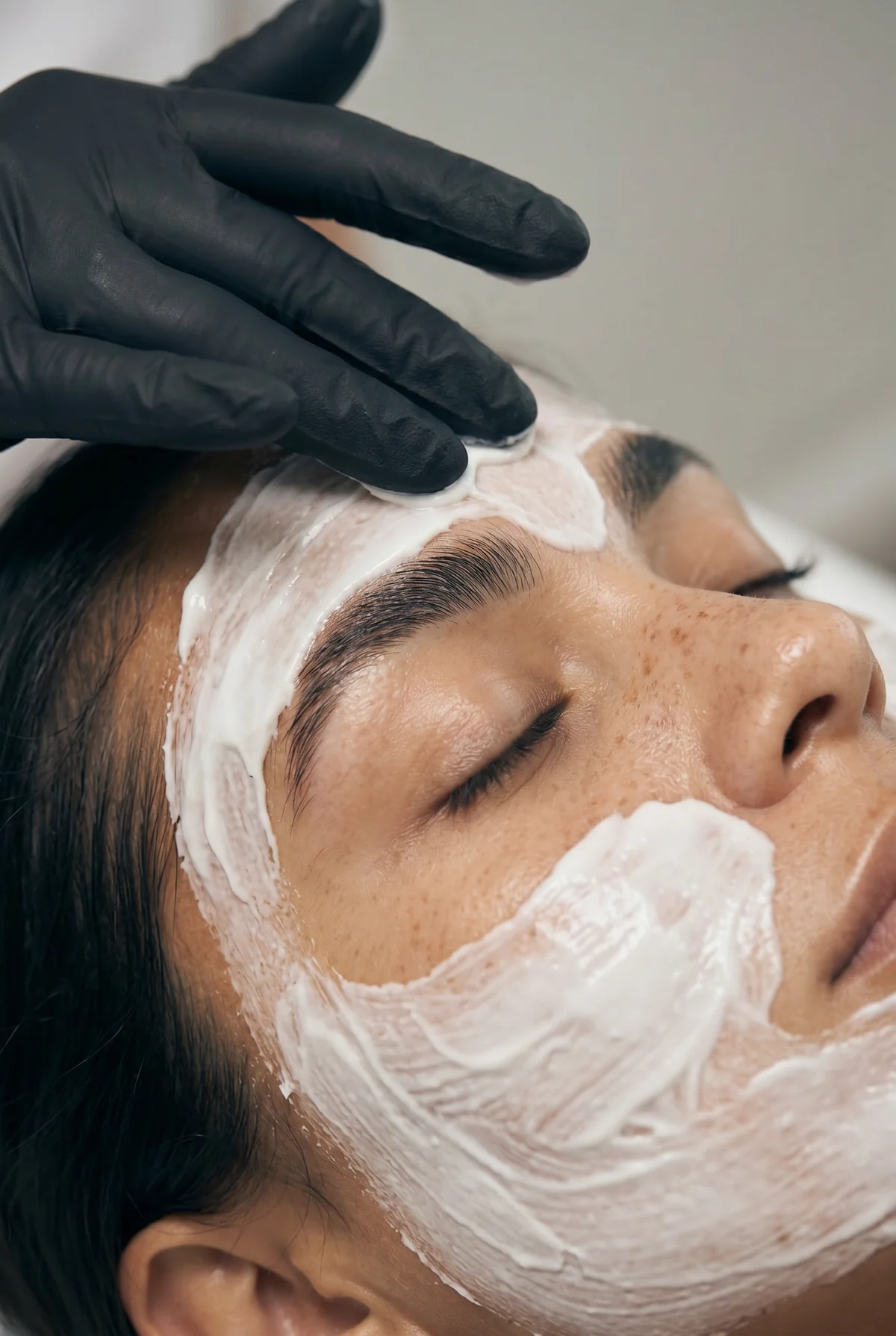
You’ve added a facial you’re excited to offer and want clients to know about it. But “New facial available!” leaves you with a lot still to explain: who it’s for, what the visit involves and how someone can choose it.
We’ll spread those answers across a few useful posts, using one first-visit example. You can adapt the sequence to your service without trying to fit the whole introduction into a single announcement.
What should clients know about your new facial?
Before making the first post, gather the details in one place: the service name, who it may suit, what’s included, duration, price and booking route. Check that the booking page uses those same details.
As you describe the treatment, keep the promises specific and supported. If a consultation is part of deciding whether it suits someone, explain that. It gives the reader a sensible way to ask about their own needs.
Introducing a personalised first-visit facial
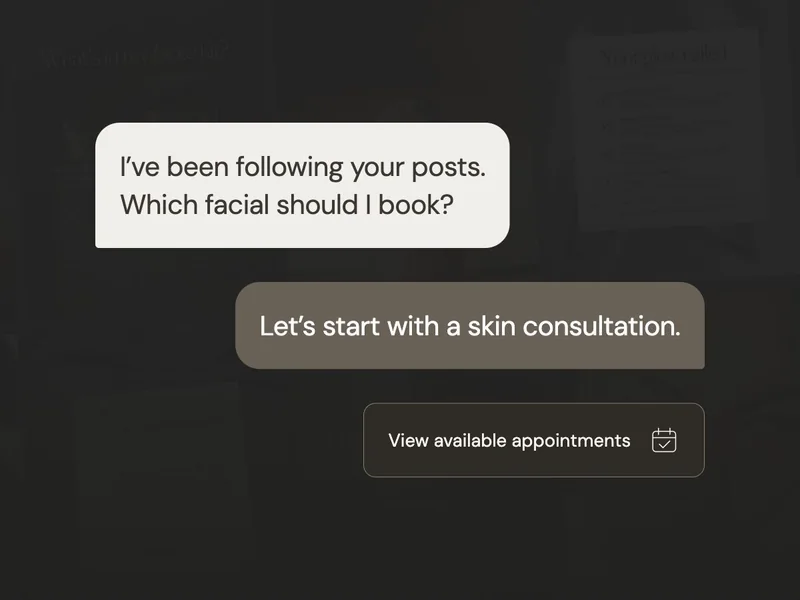
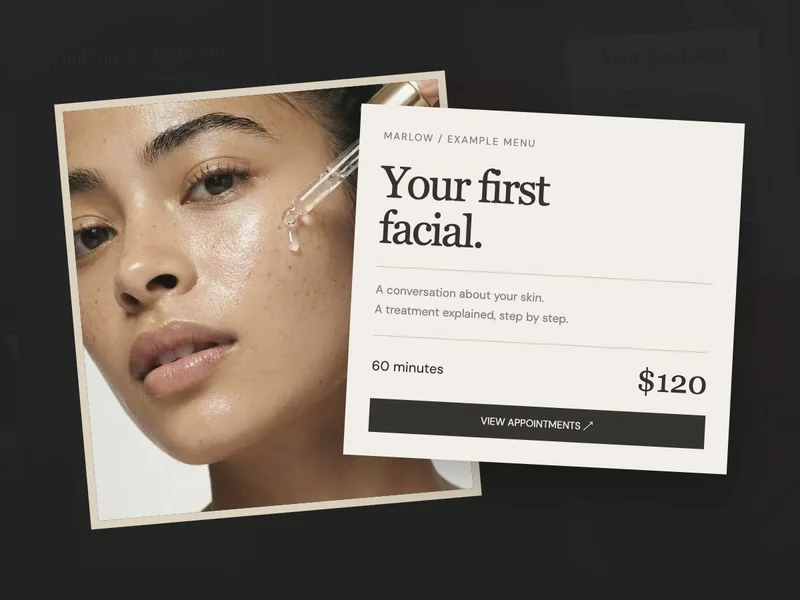
For someone who is unsure which facial to choose. The visit begins with a conversation about their skin and routine before the treatment plan is discussed.
Marlow Skin Studio is our example business for this walkthrough. We’ll use its first-visit process below; change the service name and details to reflect how your own new appointment works.
Which Instagram posts can help introduce a new facial?
These four posts give each main question some space. Spread them over a launch period that fits your business, and use the questions that come back to decide what to explain next.
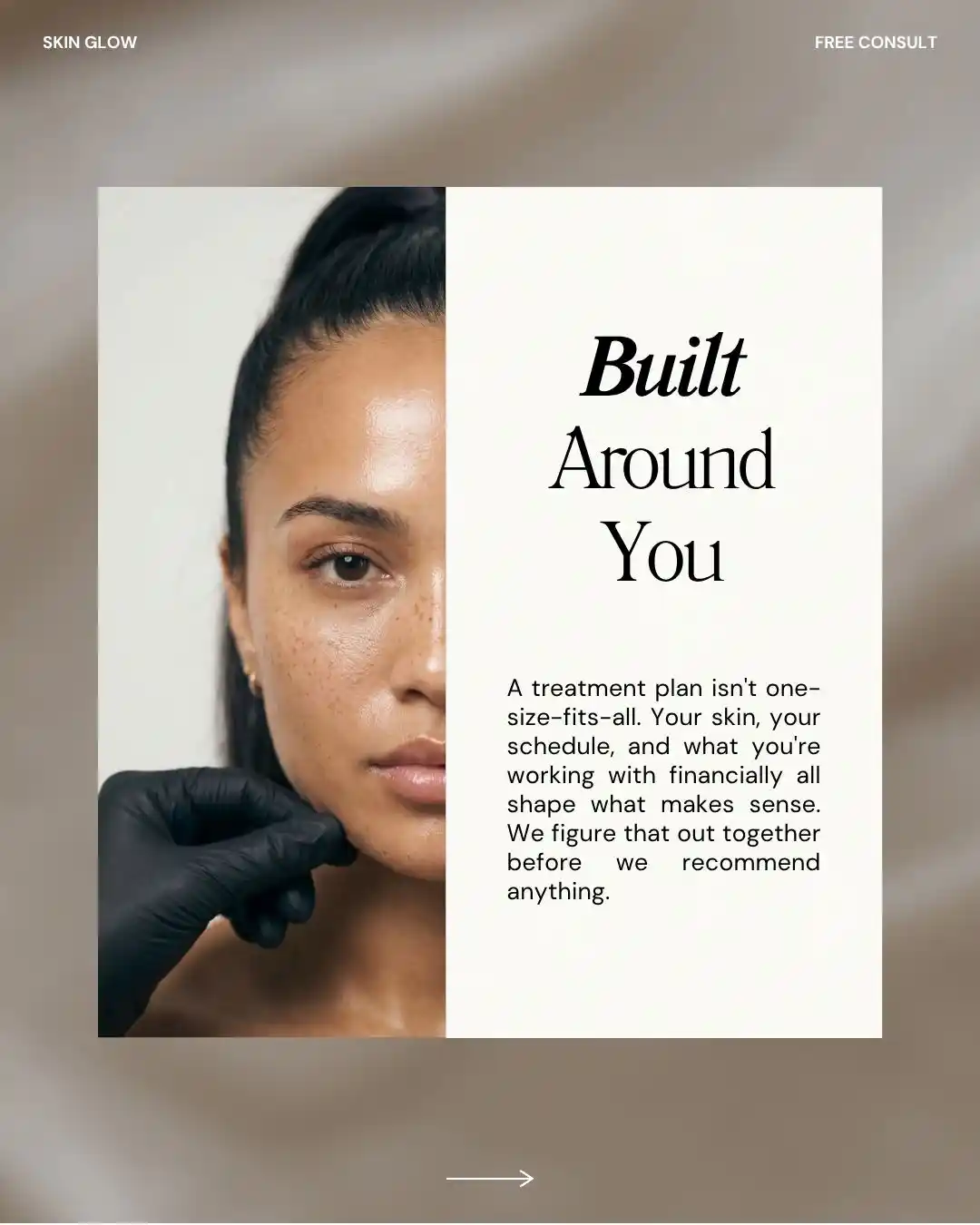
Explain who the facial is for
Opening line: “Not sure which facial to book? Start with a conversation about your skin.”
Describe the first-visit option as you would to someone asking at the studio. Pair it with a clear treatment image or a template you’ve adapted to your service.
Reader learns: why they might want to find out more.
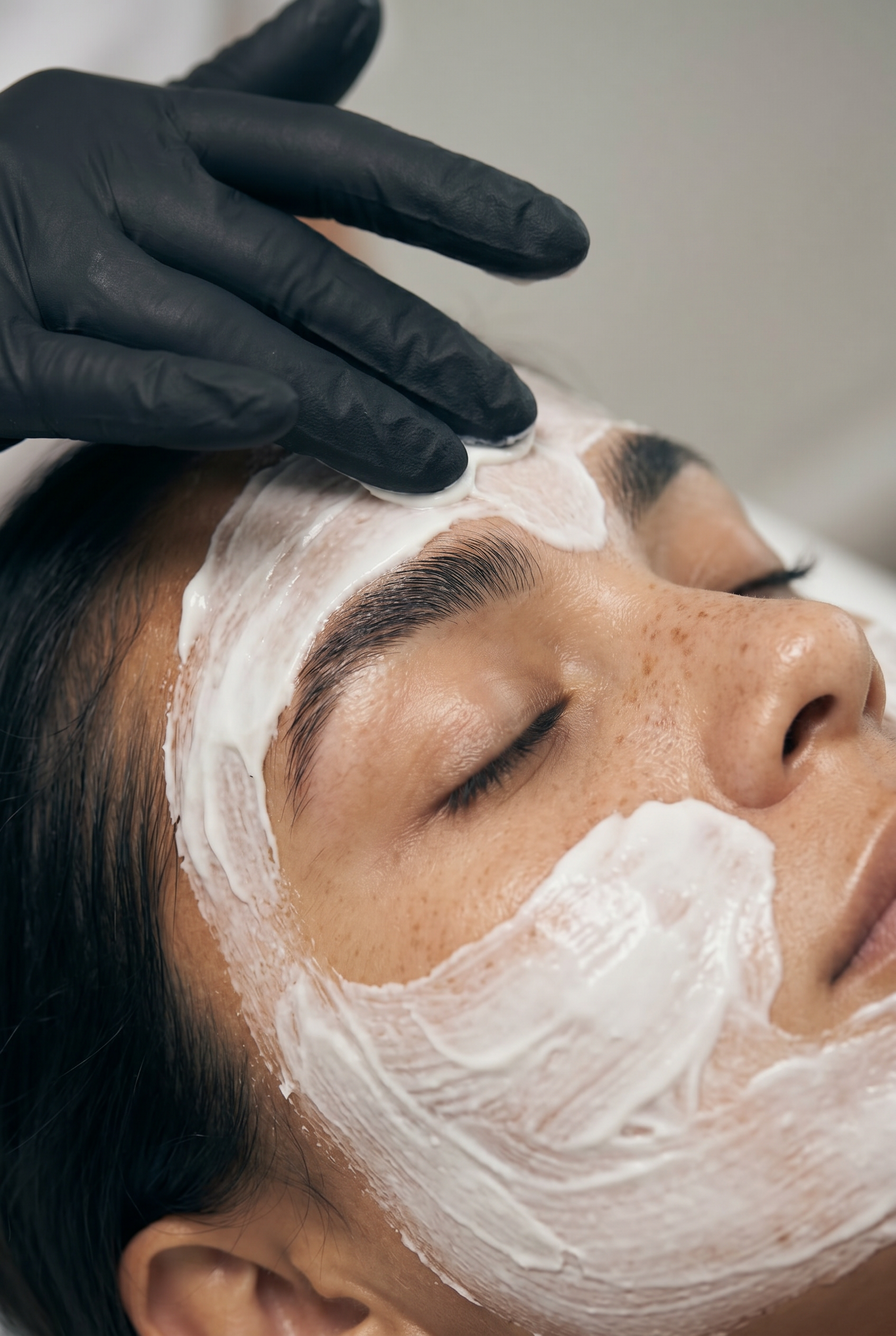
Show what happens at the appointment
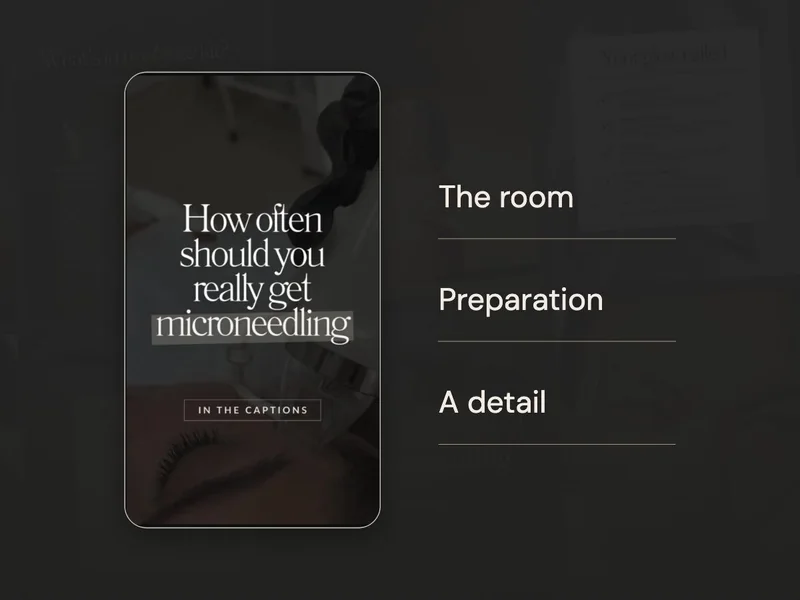
Opening line: “Here’s where your first visit begins.”
Show your own room, preparation and a suitable treatment step while explaining what the viewer can see. If you’d like a small shot list, our phone filming guide will help you gather the clips.
Reader learns: what the experience may be like.
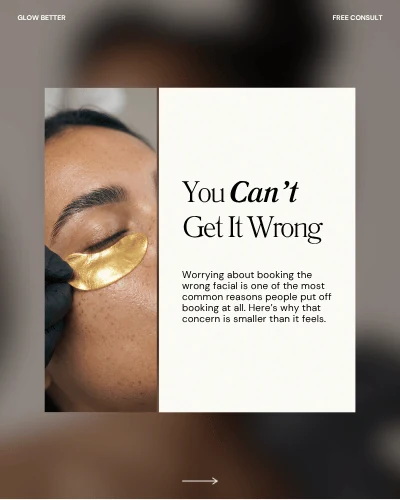
Answer the question that could stop a booking
Example answer: “You don’t need to choose the treatment steps yourself. At your first visit, we’ll discuss your skin and explain the options.”
Change that answer if your process is different. You could also use this post for a question about price, timing or preparation, especially if someone has already asked it.
Reader learns: the missing detail they needed.
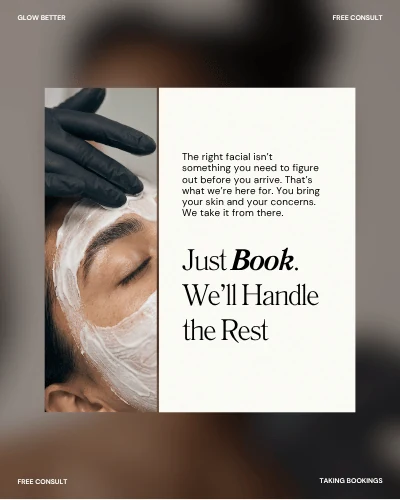
Say exactly how to book
Example line: “Want to visit? Open the link in our bio, choose First Visit and pick an available appointment.”
Use the same service name someone will see on the booking page. If there’s a real opening worth mentioning, include it. You can make a clear invitation without adding a deadline that doesn’t exist.
Reader learns: what to do next.
How do you make the booking instruction easy to follow?
Think about what a new client can predict from the wording. “View first-visit facial appointments” tells them what they’ll find, while “Find your glow” leaves the destination unclear.
Try the route from your Instagram profile on your phone. Look for the service, price, location and appointment options. Fill in any missing information before using the posts to send more people there.
What should you look for after introducing the facial?
- Which questions do people ask in replies or messages?
- Are people asking about the service you introduced?
- Do those enquiries turn into appointments?
- Do clients understand what they booked when they arrive?
Keep the questions people ask after the introduction. They can become the next useful Story or post, especially when several people are missing the same detail. You can build the explanation through those conversations instead of expecting one announcement to answer everything.